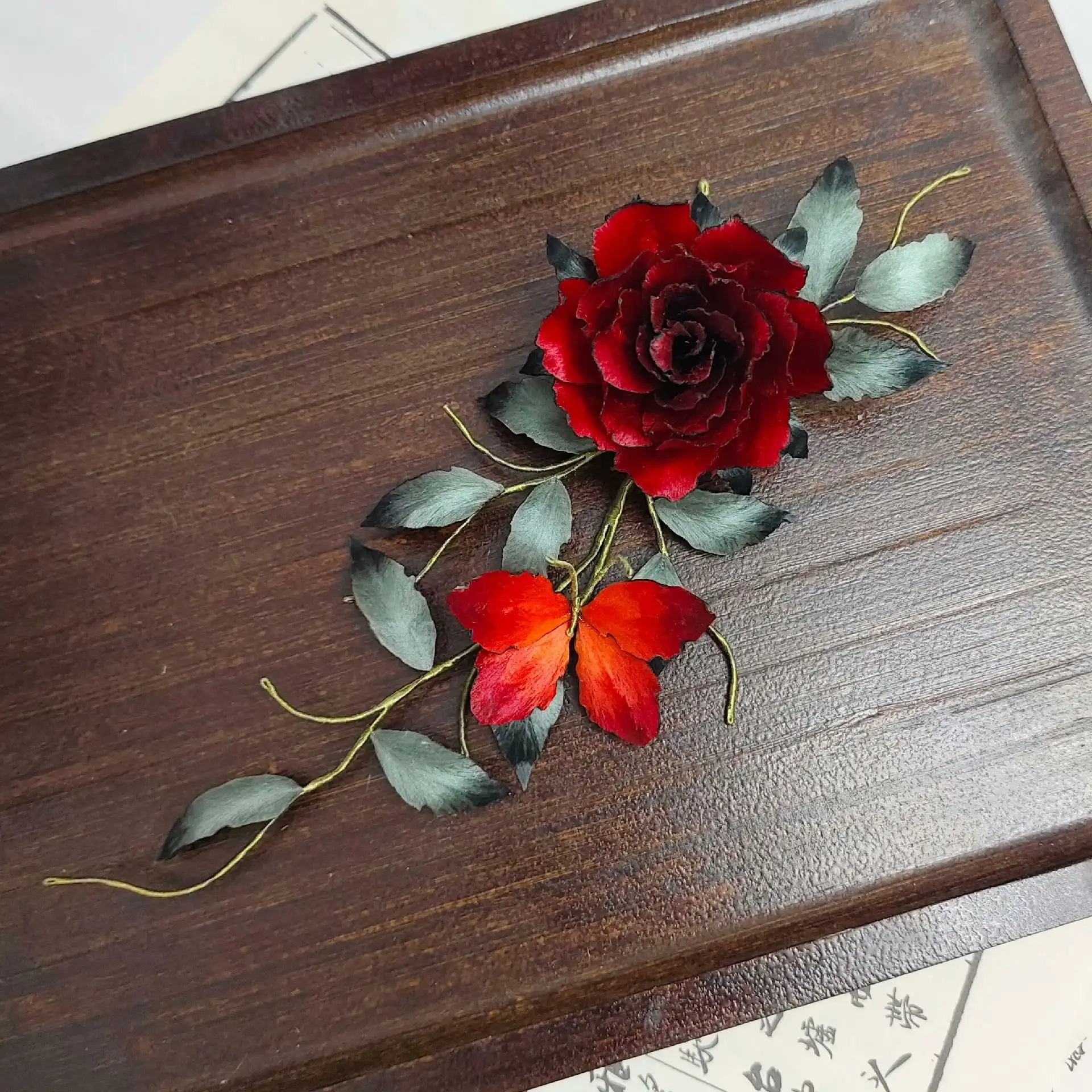
What is Ronghua (Silk Flower Art)?

Ronghua, a homophone of “Rong Hua” meaning “prosperity and honor”, carries wishes of good fortune and blessings.
Ronghua is crafted using natural silk and copper wire as its primary materials. In ancient times, it was commonly used in folk festivals and ceremonial decorations. The themes and motifs of Ronghua usually draw from auspicious symbols of daily folk life, conveying wishes for good luck and harmony.

History of Ronghua

Beginning in the Tang Dynasty

In the Ming Dynasty, dedicated workshops were established in Nanjing to produce Ronghua on a certain scale.
In the Ming Dynasty, dedicated workshops were established in Nanjing to produce Ronghua on a certain scale.

Ming Dynasty

Qing Dynasty
In the Qing Dynasty, Nanjing Ronghua continued to be offered as tribute. During the Kangxi and Qianlong periods, production reached its peak and products were sold across regions.
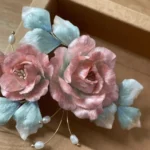
During the Cultural Revolution, Ronghua, considered a “Four Olds” item, was discontinued. After the Cultural Revolution, production gradually resumed.

Cultural Revolution

Intangible Cultural Heritage of China
March 24, 2007

On March 24, 2007, the craft of Ronghua was officially listed in the first batch of Provincial Intangible Cultural Heritage by the Jiangsu Provincial Government.

Craft Characteristics of Ronghua

Types:
There are many categories of Ronghua. Traditional forms include: hair flowers, chest flowers, headpieces, shoe flowers, hat flowers, ceremonial flowers, theatrical flowers (used in opera and performance), as well as later developments such as silk phoenix crowns, flowers-birds-fish-insects sets, human and animal figurines, bonsai scenes, architecture models, etc.

Colors:
Ronghua traditionally uses bright tones such as rouge red, water red, peach red as the main palette, complemented by soft pink, dark green, scallion green, etc., and highlighted with yellow and gold.

Patterns:
Traditional Ronghua patterns often feature auspicious images such as phoenixes, treasure vases, the “Double Happiness” symbol, pomegranates, along with many types of flowers including jasmine, Michelia alba, gardenia, frangipani, hibiscus, and roses.

The primary materials of Ronghua include silk, brass wire (silver-drawn wire used in palace workshops), and lead wire. Auxiliary materials include dyes, rapeseed powder, rosin oil, crepe colored paper, leather paper, white glue (traditionally glutinous rice glue), seed beads, crystal beads, charcoal, etc.

The Making Process of Ronghua

There are 9 main steps:
Refining the silk → Dyeing → Drying → Drawing strands → Fluffing → Shaping tips → Passing petals → Assembling flowers → Packaging

Ronghua embodies the everlasting beauty of “prosperity and honor that blooms forever.”